
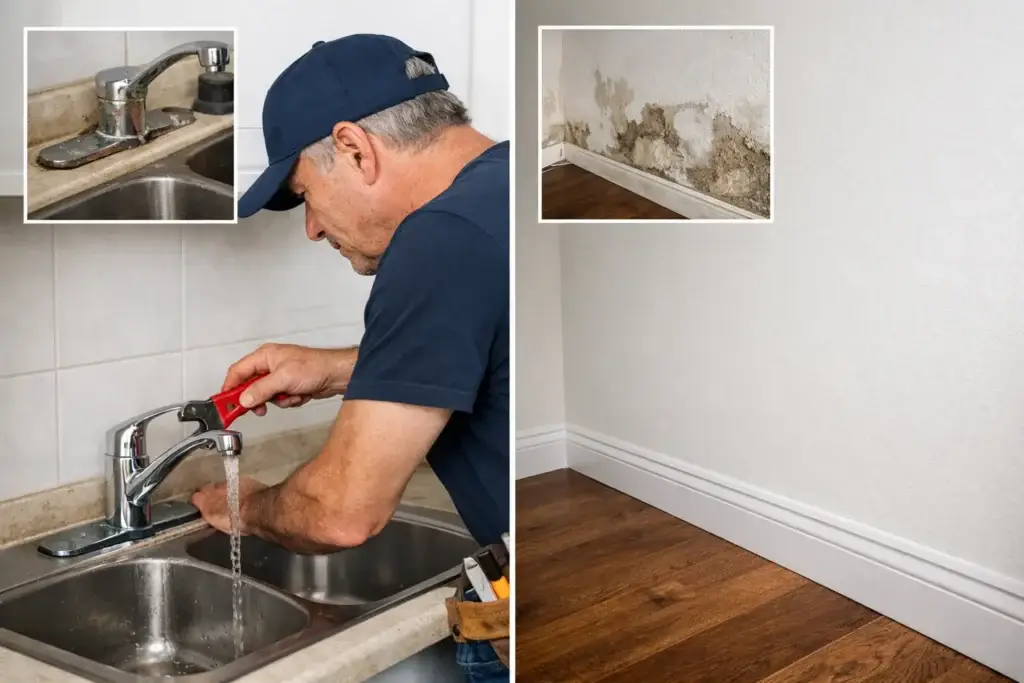
A tenant calls about a small gutter overflow after a storm. Two months later, that “small” issue has stained siding, soaked fascia, and triggered a complaint about water near the entry. That is how expensive repairs usually start – not with a disaster, but with a delay. A solid property maintenance guide for landlords helps you stay ahead of that pattern, protect your asset, and avoid the kind of preventable problems that eat into cash flow.
If you own rental property, maintenance is not just a repair issue. It affects tenant retention, vacancy costs, insurance risk, curb appeal, and long-term property value. The landlords who spend wisely are usually the ones who inspect regularly, fix problems early, and know which jobs should never be pushed off until next season.
What a property maintenance guide for landlords should actually do
A useful guide should make decisions easier. It should help you separate urgent repairs from routine upkeep, understand seasonal priorities, and recognize where professional service saves money over time. It should also keep you focused on the parts of the property that tenants notice first and the systems that fail most expensively when ignored.
For most landlords, maintenance falls into three buckets. The first is preventive work, like gutter cleaning, roof inspections, exterior washing, HVAC service, and caulking checks. The second is corrective work, which covers leaks, broken fixtures, damaged surfaces, and anything else already causing a problem. The third is protective work – the kind that keeps the building looking cared for and less vulnerable to weather, moisture, and neglect.
When those three are handled consistently, the property performs better. It rents better too.
Start with the exterior, because tenants and weather do
Exterior condition shapes first impressions fast. It also tells you a lot about what may be happening behind the walls, around the roofline, and near the foundation. In Connecticut and nearby coastal areas, shifting weather, moisture, pollen, and organic buildup can wear a property down faster than many owners expect.
Siding is a good example. When dirt, algae, mildew, and grime sit too long, the issue is not just cosmetic. Buildup can trap moisture against surfaces and shorten the life of finishes. A professional house wash keeps the property cleaner, but more importantly, it helps you spot cracks, failed sealant, warped trim, and developing damage before it spreads.
Roofs deserve the same attention. Black streaks and moss growth are easy to dismiss from the ground, but they are warning signs that the roof is holding moisture and organic material. Aggressive cleaning methods can cause damage, so this is one of those areas where the cheapest approach is often the wrong one. A safer, lower-pressure cleaning method is usually the better call for preserving shingles while restoring appearance.
Gutters are another high-return maintenance item. When they clog, water has to go somewhere. That can mean overflow onto siding, erosion around the foundation, wood rot, and slippery walkways. Gutter cleaning is not glamorous, but it is one of the simplest ways to prevent larger repair bills.
The seasonal rhythm matters more than most landlords think
A good property maintenance guide for landlords should follow the calendar, because buildings do. Every season creates a different set of risks.
In spring, inspect for winter damage. Look at roofing, gutters, siding, walkways, decks, railings, and any painted exterior surfaces. This is also the right time to wash off winter residue and organic buildup before the warmer months make it worse.
Summer is ideal for exterior cleaning, repainting, deck care, and addressing drainage issues you noticed during spring rains. If a unit is turning over, this is the season to handle visible curb appeal items that help justify stronger rent and attract better applicants.
Fall is about preparation. Clean gutters again after leaves drop, check roof drainage, inspect windows and doors for failed seals, and make sure exterior surfaces are not going into winter with mold, mildew, or trapped debris. Delaying this work often means paying more after freeze-thaw cycles do their damage.
Winter is mostly about response and monitoring. You may not be washing siding in January, but you should still be watching for ice-related issues, blocked drainage, and any signs that neglected exterior maintenance from earlier in the year is now becoming an interior problem.
Where landlords lose money by waiting
Some issues look minor because they build slowly. That is exactly why they get expensive.
Clogged gutters can lead to fascia repair, foundation concerns, and staining that takes more effort to remove later. Dirty siding can hide surface damage or speed up deterioration. A neglected deck can move from simple cleaning and sealing to board replacement. Window buildup can become etching or permanent staining. Exterior paint failure can expose wood to moisture and trigger repairs that cost far more than routine prep and repainting.
There is also the tenant side of the equation. People notice when a property looks neglected. Even if the unit interior is fine, a dirty exterior, stained walkway, or streaked roof can change how tenants feel about management. That affects renewals. It affects how quickly small concerns get reported. And it affects how the property is discussed when prospective renters drive by.
Prioritize safety and liability, not just appearance
Landlords sometimes think of exterior maintenance as optional because it is visible, and visible items can seem less urgent than plumbing or electrical problems. That is not always true.
Slippery algae on walkways, overloaded gutters, loose deck surfaces, blocked drainage paths, and poor visibility through dirty exterior glass can all create safety concerns. So can DIY cleaning done with the wrong equipment or too much pressure. There is a reason many owners prefer licensed and insured professionals for work at height or work that can damage surfaces if handled incorrectly.
This is especially true for multi-unit properties or homes with high tenant expectations. Professional maintenance protects the building, but it also protects your time. When quoting is fast, scheduling is clear, and the work is done correctly the first time, you spend less energy chasing vendors or revisiting the same issue twice.
Build a repeatable maintenance system
The best approach is not reacting faster. It is needing fewer reactions.
Create a simple schedule for each property. Track gutter cleaning, roof inspections, siding washing, deck care, window cleaning, and paint touch-ups. Add notes for recurring trouble spots such as shaded siding, overflow-prone corners, or areas where drainage consistently struggles after storms.
Photos help more than many landlords realize. A quick set of exterior photos every season gives you a baseline. That makes it easier to catch gradual deterioration and justify maintenance decisions before costs climb. It also helps when coordinating work between tenants or preparing a property for market.
If you manage more than one building, consistency matters even more. Standardize your maintenance intervals so work is not based on memory or complaints alone. Some properties need more frequent attention than others – especially those surrounded by trees, exposed to coastal moisture, or dealing with heavy shade – but every building benefits from a plan.
Know when to hire it out
Some landlords are hands-on, and that can work well for minor interior fixes or basic inspections. Exterior maintenance is different. The right result depends on technique, equipment, and knowing how different materials respond.
Pressure washing is a good example. Used carelessly, it can damage siding, strip paint, force water behind surfaces, and shorten the life of roofing materials. Used correctly, or replaced with a safer soft washing approach where needed, it can restore curb appeal without creating a new repair bill.
The same goes for gutter cleaning and roof care. These are straightforward jobs until safety, access, and hidden damage enter the picture. Professional service is not just about convenience. Often, it is the more affordable choice once you factor in time, liability, and the cost of doing a job twice.
For landlords in Connecticut, where seasonal buildup and weather swings are part of owning property, recurring exterior maintenance is rarely overkill. It is just smart management. Companies like CT Softwash LLC are built around exactly that kind of preventive care – helping owners keep properties clean, protected, and easier to manage without adding more to their plate.
The maintenance mindset that pays off
The strongest landlords do not treat maintenance as a series of interruptions. They treat it as part of protecting revenue. A cleaner, better-kept property rents faster, photographs better, retains value more reliably, and creates fewer avoidable headaches.
You do not need a complicated system. You need regular inspections, a realistic seasonal schedule, and the discipline to handle small exterior issues before they become structural ones. That is where maintenance starts paying for itself.
A rental property is easier to own when it never looks one storm away from a problem.