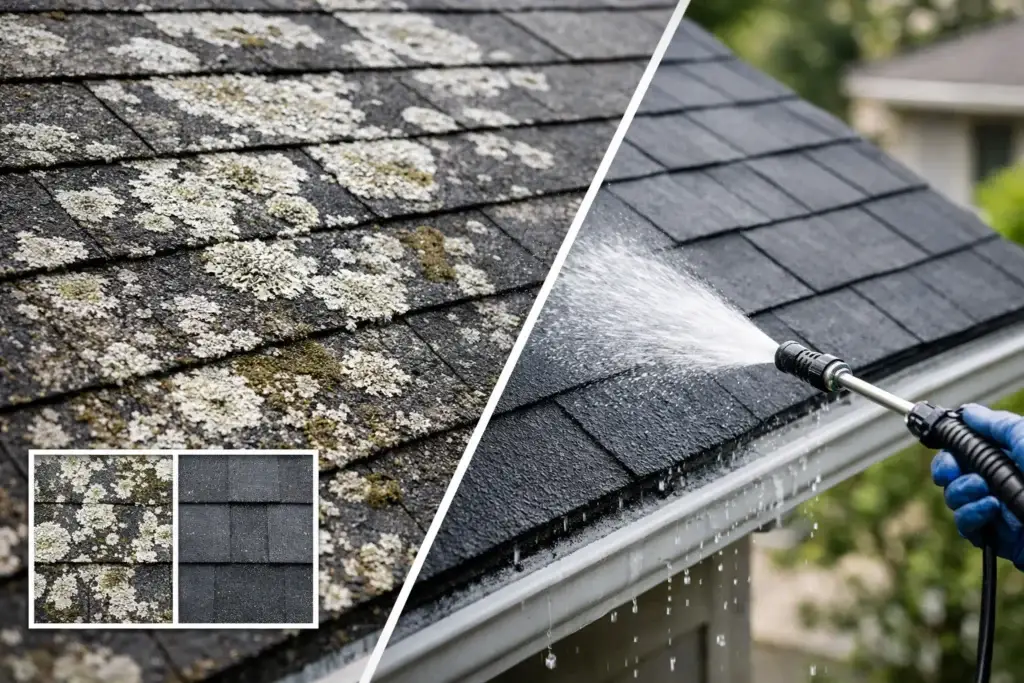
Lichen on a roof or siding is one of those problems homeowners tend to ignore until it suddenly looks like the whole surface is being taken over. If you are asking, can soft washing remove lichen, the short answer is yes – but not always instantly, and not always in the same way on every surface.
That distinction matters. Lichen is more stubborn than ordinary dirt, algae, or mildew. It attaches itself tightly and can leave behind marks or holdfasts even after the growth is killed. A safe cleaning method has to do two things at once: remove as much visible buildup as possible and protect the surface underneath from unnecessary damage.
Can soft washing remove lichen on roofs and siding?
In many cases, yes. Soft washing is one of the safest and most effective ways to treat lichen on asphalt shingles, painted siding, stucco, vinyl, and other exterior surfaces that should not be hit with high pressure.
The reason soft washing works is simple. It does not rely on blasting growth off with force. Instead, it uses specialized cleaning solutions that break down organic growth at the source. That includes algae, mildew, moss, and often lichen. Once the lichen is treated, it may loosen, fade, and gradually detach, either during the cleaning process or over time with weather exposure.
That said, lichen is different from surface grime. It forms a tough, bonded structure. On some roofs, especially older ones, the cleaning solution can kill the lichen and remove much of the staining, but some remnants may still need careful follow-up or may weather away gradually after treatment.
This is why honest contractors do not promise a magic wand. They promise the right process for the surface.
Why lichen is harder to remove than algae
Algae usually sits on the surface. Lichen digs in.
Lichen is a composite organism made up of fungi and algae or cyanobacteria living together. On exterior surfaces, it can form crusty, flat, or raised patches in shades of gray, green, or even pale blue. It often takes hold on shaded, damp areas where moisture lingers.
On asphalt roofs, lichen can grip the shingle granules. On siding, it can root into textured finishes and settle into seams or rough spots. That strong attachment is why aggressive pressure washing often causes more harm than good. If you try to force lichen off with pressure, you can strip protective granules from shingles, scar painted surfaces, drive water behind siding, or leave etched marks.
Soft washing approaches the problem more carefully. It treats the biological growth first instead of attacking the material underneath.
How soft washing removes lichen safely
A proper soft wash starts with an inspection. The technician looks at the type of surface, how severe the lichen growth is, and whether there is already wear or damage that changes the cleaning approach.
Next comes the application of a low-pressure cleaning solution designed to kill organic growth. This is the key step. The treatment does the heavy lifting, not water pressure. On lighter lichen growth, this may be enough to clean the surface significantly in one visit. On heavier buildup, the solution may kill the lichen so it stops spreading, while the remaining material loosens and sheds over time.
In some situations, gentle manual removal may be used after treatment, but only when it can be done without damaging the surface. That decision depends on the material, age, condition, and how tightly the lichen is attached.
For homeowners, the biggest benefit is simple: soft washing gives you a much better chance of cleaning the surface without shortening its life.
When soft washing works best
Soft washing is usually the right choice when the surface is delicate, finished, or vulnerable to damage. Roofs are the most obvious example. Asphalt shingles are not designed to be pressure washed. The same goes for many painted exterior surfaces, vinyl siding, composite trim, and certain deck materials.
It also works best when the goal is not just appearance, but treatment. Lichen is a living growth. If you only scrape off what you can see without killing it properly, it may return faster. Soft washing addresses the organic matter itself, which is why results typically last longer than simple rinse-and-go cleaning.
Homes in coastal Connecticut and nearby Rhode Island often deal with damp air, shade, and seasonal buildup that create ideal conditions for lichen. In those settings, soft washing is especially useful because repeated harsh cleaning would do more damage over time than the growth itself.
When lichen may not come off completely right away
This is where expectations matter.
If lichen has been growing for a long time, some visible remnants may remain after the initial treatment. That does not always mean the cleaning failed. Often, it means the organism has been killed but its physical structure is still attached. Rain, wind, and normal weathering may continue removing it over the following weeks or months.
There can also be staining or slight surface shadowing underneath old lichen colonies. On older roofs, you may be seeing wear that was hidden by the growth. No cleaning method can reverse material aging.
A reputable exterior cleaning company should tell you this upfront. The goal is the best possible result without trading cosmetic improvement for surface damage.
What not to do if you have lichen
The biggest mistake is using too much pressure.
A lot of homeowners assume that if something is stuck, it just needs more force. That approach is risky on roofing, painted siding, window trim, and other exterior materials. High pressure can remove more than the lichen. It can take off granules, paint, sealants, and protective finishes.
Another mistake is using store-bought cleaners without knowing whether they are safe for your surface, nearby landscaping, or surrounding materials. Some products are too weak to do much. Others are harsh in the wrong way and can create staining or plant damage when used incorrectly.
Scraping is another common problem. Even careful scraping can gouge surfaces when lichen is bonded tightly. What looks like a quick fix often turns into a repair bill.
How to tell if your property needs professional treatment
If the growth looks flat, crusty, and firmly attached, you are probably dealing with lichen rather than simple mildew. If it is spreading across shingles, collecting on north-facing siding, or returning after rain-heavy seasons, it is worth having it assessed before it gets worse.
Professional treatment is especially smart when the affected area is elevated, steep, or hard to reach. Roof cleaning is not a casual weekend project. Beyond the fall risk, improper cleaning can void warranties or shorten the lifespan of the roof.
For commercial buildings and larger homes, the value is even clearer. A professional crew can identify whether the surface needs treatment only, treatment plus gentle removal, or a broader maintenance plan that prevents recurring growth.
Can soft washing remove lichen permanently?
No exterior cleaning method can promise that lichen will never come back. If the underlying conditions stay the same – shade, moisture, poor drainage, overhanging branches, limited sunlight – regrowth can happen.
What soft washing can do is remove existing growth safely and reset the surface. That gives you a clean starting point and usually a longer-lasting result than pressure alone. Pair that with trimming back branches, improving drainage, and staying on top of routine exterior maintenance, and you can slow future buildup significantly.
This is one reason many property owners schedule recurring service. Preventive cleaning is usually easier and more affordable than waiting until growth becomes thick and stubborn.
The real answer to can soft washing remove lichen
Yes, soft washing can remove lichen in many cases, and for roofs and other delicate exterior surfaces, it is often the safest method available. But the real answer is not just yes or no. It depends on how long the lichen has been there, what surface it is attached to, and whether the goal is immediate cosmetic perfection or safe, lasting treatment.
If you want the growth gone without beating up your roof or siding, soft washing is usually the smart place to start. And if some of the lichen needs time to release after treatment, that is often a sign the surface was protected the right way.
A clean exterior always looks better, but the bigger win is protecting the materials that protect your home.